
Social media platforms have revolutionized consumer protection by providing global avenues for individuals to voice grievances, particularly through hashtags like #CustomerService. This shift is evident in the fight against robocalls, with online campaigns and Facebook groups gaining traction. While legal action through initiatives like "Can I Sue For Robocalls" in Iowa faces complexities due to proof requirements, social media complaints are reshaping consumer protection paradigms, demanding regulatory and legal adaptation.
Key insights:
– Social media monitors and combats digital scams, including robocalls, in Iowa.
– Consumers can sue for damages under the Telephone Consumer Protection Act (TCPA) and state Telemarketing Laws.
– Influencers transform consumer protection by educating audiences but pose risks like misinformation and fraudulent activities.
– Collaboration with influencers, educational resources, transparency, and responsible influence are crucial for safer consumer landscapes.
– Social media platforms facilitate direct communication, collective action, and regulatory enforcement in consumer protection efforts, including understanding "Can I Sue For Robocalls Iowa."
In the digital age, social media has become an indispensable tool for consumer protection awareness. As our online interactions grow, so does the potential for fraud, misinformation, and invasive practices like unwanted robocalls. Can I sue for Robocalls Iowa? This question reflects a growing concern among consumers seeking justice in the face of persistent intrusions. This article delves into the evolving landscape of social media and its profound impact on consumer rights, offering insights into how individuals can navigate this complex environment and explore legal avenues like filing robocall lawsuits to protect their privacy. By understanding these dynamics, we can empower ourselves to better safeguard our digital lives.
The Rise of Social Media Complaint Platforms
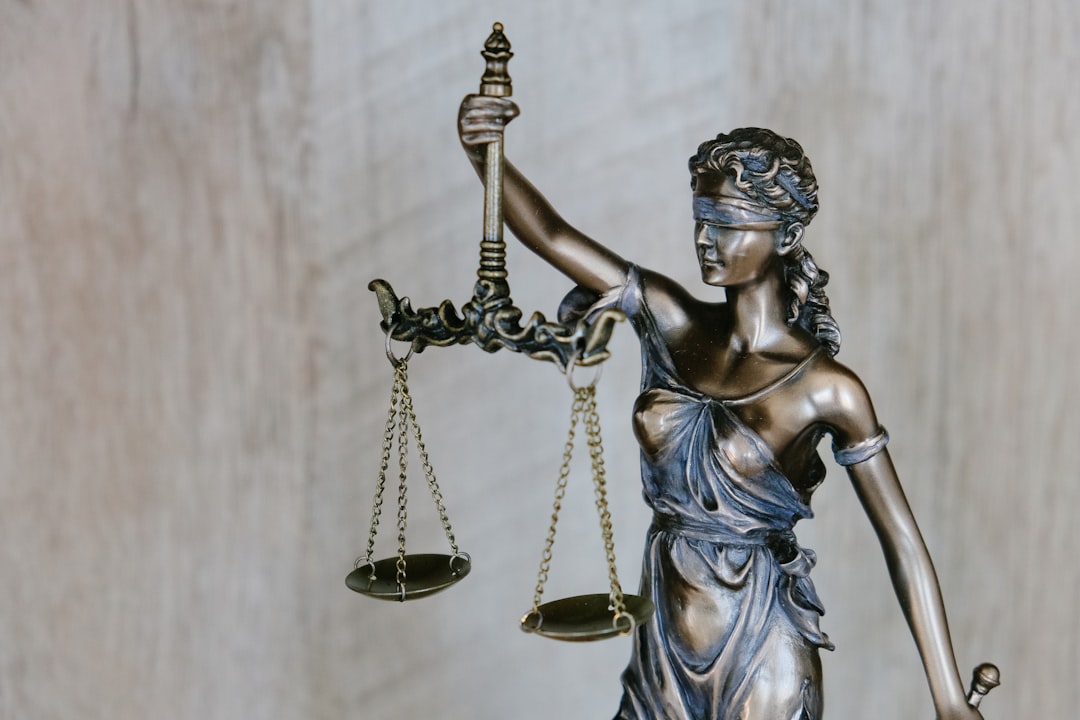
The proliferation of social media platforms has significantly altered the dynamics of consumer protection awareness, empowering individuals to share experiences and seek redress like never before. One notable development is the rise of social media complaint platforms, where consumers can voice grievances publicly and potentially leverage collective action. These digital forums serve as a modern-day version of community bulletin boards, but with global reach and near-instantaneous dissemination. For instance, Twitter’s #CustomerService hashtag has become a de facto channel for users to air their complaints, often compelling businesses to respond promptly to avoid negative publicity.
This shift is particularly evident in the context of robocalls, a nuisance that has spurred numerous online campaigns. Consumer advocacy groups and legal experts have noted an increase in social media-driven initiatives aimed at curbing illegal robocall activities. For example, Facebook groups dedicated to sharing blocking strategies and reporting suspicious calls have garnered thousands of members. While these platforms offer a collective voice, the effectiveness of such efforts is variable. In some cases, consumers have successfully shamed businesses into compliance through public exposure, but legal action remains a more complex path. As seen in Iowa, where Can I Sue For Robocalls initiatives have gained traction, individuals are exploring litigation as a remedy for nuisance calls. However, success hinges on navigating intricate legal frameworks and proving intent, which can be challenging given the decentralized nature of social media complaints.
Despite these nuances, social media complaint platforms are here to stay, reshaping traditional consumer protection paradigms. They offer unprecedented opportunities for public education and collective action but also present complex challenges. As consumers become more digitally literate, they will increasingly demand transparency and accountability from businesses. To keep pace, regulators and legal professionals must adapt, ensuring that these platforms contribute positively to a fair and transparent marketplace.
Digital Scams: Recognizing & Reporting Fraud

Social media has become a double-edged sword when it comes to consumer protection. While these platforms facilitate communication and awareness, they also serve as fertile ground for digital scams, particularly through online fraud and deceptive practices. Recognizing and reporting such activities is paramount in this digital age, where consumers must navigate an ever-evolving landscape of potential risks. One prevalent issue is robocalls, automated phone calls that bombard individuals with unsolicited marketing messages or fraudulent offers—a problem that can lead to significant financial losses.
In the United States, including states like Iowa, consumers have legal recourse against such activities. For instance, the Telephone Consumer Protection Act (TCPA) in Iowa prohibits automated telephone equipment from making robocalls without prior express consent. If a consumer believes they’ve been targeted by illegal robocalls, they can file a complaint with the Federal Trade Commission (FTC) and even pursue legal action to recover damages. This not only deters scammers but also provides a safety net for victims. However, successful claims require clear evidence of unauthorized calls and substantial harm.
Practical steps include monitoring social media accounts for suspicious activity, verifying requests for personal information, and being cautious when clicking on links or providing data online. By fostering consumer awareness and empowering them to report fraud, social media platforms can play a significant role in combating digital scams. Regularly updating privacy settings and staying informed about emerging scams are essential tools in this battle.
Can I Sue For Robocalls? Iowa's Legal Stand

Social media has emerged as a double-edged sword for consumer protection, significantly altering the way individuals can advocate for their rights. While platforms like Twitter and Facebook facilitate rapid sharing of information about fraudulent schemes, they also serve as channels for misinformation and spam, including annoying robocalls. In the U.S., particularly in Iowa, consumers have legal avenues to pursue when faced with unwanted automated telephone marketing (ATM) calls, commonly known as robocalls.
In Iowa, the law provides some protection against robocalls. The Telephone Consumer Protection Act (TCPA), enforced by the Federal Communications Commission (FCC), prohibits telemarketers from making automated calls to phone numbers listed on the National Do Not Call Registry without prior explicit consent. Moreover, Iowa’s Telemarketing Laws offer additional safeguards, allowing consumers to sue for damages if they receive robocalls in violation of these regulations. According to a report by the Federal Trade Commission (FTC), over 24 billion robocalls were made in the U.S. in 2021, underscoring the urgency and relevance of these legal protections.
While suing for robocalls can be a powerful tool, consumers must act promptly and understand their rights. Legal experts advise documenting the calls, including timestamps and details about the caller’s identity or company. In Iowa, consumers have one year from the date of the violation to file a lawsuit seeking damages up to $500 per violative call, plus attorney fees and court costs. For instance, in 2020, a class-action settlement resulted in a $15 million fund for consumers affected by illegal robocalls in Iowa and other states, demonstrating the significant impact these legal actions can have on holding telemarketers accountable.
Influencers & Their Role in Consumer Education

Social media has evolved into a powerful tool for consumer protection awareness, offering unprecedented access to information and direct communication between businesses, regulators, and consumers. One of the most significant contributors to this shift is the rise of influencers—individuals with substantial online followings who have become trusted voices in various industries. These digital personalities play a pivotal role in educating consumers about their rights and empowering them to make informed decisions.
Influencers’ ability to shape public opinion makes them invaluable allies in consumer education campaigns. Through authentic content creation, they can break down complex issues into digestible chunks, making consumer protection accessible to a broader audience. For instance, beauty influencers often discuss product ingredients and potential irritants, encouraging followers to research and choose products suitable for their skin types. Similarly, travel vloggers may highlight the importance of reading reviews before booking accommodations or sharing tips on identifying fraudulent listings. This peer-to-peer education is particularly effective as it leverages trust and familiarity to drive behavioral changes.
However, the influence also presents challenges. Misinformation and misleading claims can spread rapidly through social media channels. Regulators and consumer protection agencies must stay vigilant in monitoring influencer content, especially regarding advertising and marketing practices. In some cases, consumers may face issues like fraud or unfair business tactics, such as the recent robocall scams prevalent in Iowa. Can I sue for robocalls Iowa-based consumers have been victims of these illegal calls, prompting legal actions. Influencers, with their vast reach, can inadvertently promote such malicious activities if not carefully scrutinized. Thus, it is crucial to establish guidelines and collaborate with influencers to ensure they adhere to ethical standards and legal requirements, especially when promoting products or services.
To harness the potential of influencers effectively, consumer protection advocates should consider strategic partnerships and collaborations. This includes providing educational resources tailored for influencer content creation while offering guidance on disclosure and transparency. By fostering a culture of responsible influence, we can leverage social media to create a more informed and protected consumer landscape.
Enhancing Protection: Government Initiatives Online

Social media has emerged as a powerful tool for consumer protection initiatives, empowering individuals to advocate for safer products and services. Online platforms facilitate direct communication between consumers, businesses, and regulatory bodies, fostering a more transparent environment. This shift is particularly notable in the realm of government-led efforts to enhance consumer protection. For instance, many states in the US, including Iowa, have utilized social media to disseminate critical information about consumer rights, especially regarding annoying and invasive practices like robocalls.
Iowa’s Attorney General’s office actively employs Twitter and Facebook to share tips on how consumers can protect themselves from various scams and unwanted calls. They also use these platforms to announce initiatives targeting notorious fraudsters and to provide updates on successful legal actions taken against companies violating consumer laws. This strategy not only educates the public but also serves as a deterrent, making potential wrongdoers more accountable for their actions. As robocall complaints rise nationally, states like Iowa are leveraging social media to engage directly with citizens, empowering them to take action and seek redress.
Furthermore, these online channels enable consumers to collectively raise awareness about specific issues, such as the impact of unwanted telemarketing calls. In some cases, high volumes of consumer complaints on social media have prompted regulatory bodies to investigate and enforce stricter rules. While legal actions for robocalls vary by jurisdiction, the ability to organize and voice concerns publicly can lead to policy changes. Consumers can also use these platforms to share their experiences, helping others recognize potential scams and take preventive measures. This collective effort is crucial in evolving consumer protection laws and ensuring that businesses remain accountable in the digital age.