
Robocall scams, facilitated by AI and posing as legitimate organizations, are a significant concern in Iowa, leading to financial loss and insecurity among residents. Law enforcement combats these through education, advanced tracing technologies, reporting mechanisms, and awareness campaigns. Iowans can take legal action against unauthorized automated calls under the Telephone Consumer Protection Act (TCPA), with documentation of interactions crucial for exploration of compensation or injunctive relief. Local police departments leverage call blocking apps, data analytics, and proactive patrols to fortify defenses. The Iowa Attorney General's office plays a key role in investigating complaints and tracing fraudulent numbers. Community engagement and technology are transforming law enforcement approaches, empowering residents to identify and report scams effectively. While individual lawsuits are challenging, community action is proving successful in combating evolving robocall scams, including the question of "Can I Sue For Robocalls in Iowa."
Local law enforcement across Iowa is increasingly engaged in the ongoing battle against robocall scams, a growing digital menace disrupting lives and businesses alike. These automated calls, often with fraudulent intent, have become a significant concern for Iowans, prompting many to wonder: Can I sue for robocalls in Iowa? As these scams adapt and evolve, so too must the strategies employed to combat them. This article delves into the effective tactics local police departments are employing to mitigate the impact of robocall fraud, offering valuable insights for citizens looking to protect themselves in this modern age of communication.
Understanding Robocall Scams in Iowa: Prevalence & Impact

In Iowa, robocall scams have become a significant concern for residents, often posing as legitimate organizations or individuals to deceive and exploit vulnerable citizens. These automated calls, typically delivered in bulk, promote fraudulent schemes that range from investment frauds to identity theft attempts. The impact is profound, causing not only financial loss but also creating a sense of insecurity among Iowans, who may be unsure how to protect themselves from these persistent and often insidious tactics. According to the Federal Trade Commission (FTC), robocalls account for nearly 50% of all consumer complaints about telemarketing, underscoring their pervasive nature.
Iowa’s law enforcement agencies are actively working to combat this growing menace by educating citizens, collaborating with telecommunication providers, and employing advanced technologies to trace and disrupt these illegal activities. The state has implemented robust reporting mechanisms and awareness campaigns to help residents identify suspicious calls and take necessary actions, such as blocking numbers or registering on the National Do Not Call Registry. While these efforts have seen some success in reducing the volume of robocalls, the evolving nature of these scams presents ongoing challenges. For instance, scammers are increasingly using artificial intelligence to make calls sound more personalized, making it harder for recipients to discern legitimate from fraudulent communications.
In terms of legal recourse, Iowa residents can take action if they have been targeted by robocall scams. The Telephone Consumer Protection Act (TCPA) provides a legal framework where individuals can file suit against violators for unauthorized automated calls. “Can I sue for robocalls in Iowa?” is a question many victims ask, and the answer is a resounding yes. Legal experts advise that residents document all interactions, keep records of calls, and consult with attorneys specializing in consumer protection law to explore potential avenues for compensation or injunctive relief. This proactive approach, combined with sustained efforts from local law enforcement, is crucial in protecting Iowans from the insidious grip of robocall scams.
How Local Police Departments Are Responding
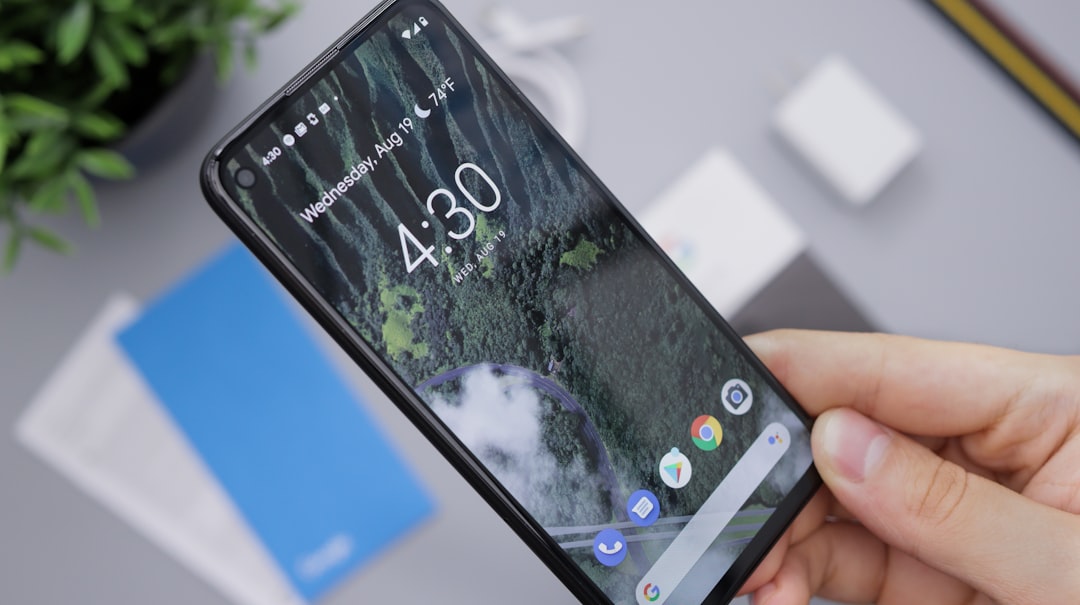
In response to the escalating robocall scamming activity in Iowa, local police departments are taking proactive measures to protect residents from these deceptive practices. These efforts involve a multi-faceted approach, including heightened surveillance, public awareness campaigns, and increased collaboration with communication service providers (CSPs). Through partnerships with CSPs, law enforcement agencies are implementing advanced call blocking technologies, allowing them to filter out known scammer numbers before they reach citizens’ phones.
An example of this collaborative initiative is the “Do Not Disturb Iowa” program, where local police work hand-in-hand with telecommunications companies to educate residents on registering for automated call-blocking services and providing feedback on suspicious calls. This collective action not only helps in identifying scammer patterns but also empowers Iowans to take charge of their communication privacy. Furthermore, some departments offer dedicated hotlines for reporting robocalls, enabling swift investigation and potential legal action under Iowa’s consumer protection laws, including Can I Sue For Robocalls in Iowa.
Beyond technical solutions, local police conduct proactive patrols and investigations, targeting known scammer hotspots and individuals engaged in these illicit activities. This strategy involves extensive data analytics to predict call patterns and identify areas prone to robocall scams. By combining technological advancements with diligent law enforcement, Iowans can expect a more robust defense against these insidious schemes, offering a sense of security in an increasingly digital world.
Legal Framework: Can I Sue For Robocalls Iowa?

In Iowa, as across the nation, robocall scams have become a persistent nuisance, with fraudsters leveraging automated calling technologies to target unsuspecting residents. While various strategies are employed by local law enforcement to combat this issue, understanding the legal framework surrounding robocalls—specifically, can I sue for robocalls Iowa—is paramount for both victims and enforcers. The Telephone Consumer Protection Act (TCPA) of 1992 provides a robust legal foundation for individuals to take action against unwanted automated calls, offering both civil and criminal penalties.
Iowa’s attorney general’s office plays a pivotal role in protecting consumers from robocall scams. They proactively investigate complaints and work with telecommunications carriers to trace and block fraudulent numbers. Moreover, the office facilitates consumer education initiatives to empower Iowans to recognize and avoid potential scams. In cases where individuals suffer significant financial loss due to robocalls, they may pursue legal action under the TCPA. This federal law prohibits automated calls unless the caller obtains prior express consent from the recipient—a crucial aspect when considering can I sue for robocalls Iowa. Victims can seek damages for each violation, which, given the high volume of scams, can amount to substantial compensation.
Practical advice for Iowans facing robocall scams includes documenting all interactions and retaining evidence such as call logs and recordings. If a scam is suspected, reporting it to local law enforcement or the state attorney general’s office is essential. Additionally, consumers should review their phone bills and notify their carrier if they identify unusual charges related to automated calls. By combining these measures with a robust legal framework like the TCPA, Iowans can actively protect themselves from robocall scams and explore avenues for justice when necessary, ensuring can I sue for robocalls Iowa remains an effective deterrent.
Effective Strategies to Stop and Trace Robocalls

Local law enforcement agencies across Iowa are continually adapting their strategies to combat the growing menace of robocall scams, which have become a significant nuisance for residents. With advancements in technology, scammers employ sophisticated methods to target individuals, making it imperative for authorities to stay ahead of these manipulations. One of the most effective ways to stop and trace robocalls is through a multi-faceted approach that combines technology and public awareness.
Iowa’s law enforcement agencies have adopted innovative tactics such as call blocking applications and automated screening tools. These technologies enable officials to identify and filter out suspicious calls, significantly reducing the volume of robocalls received by residents. Additionally, they collaborate with communication service providers to implement intelligent routing systems that can redirect or block calls from known scammer numbers. As these measures evolve, so do the techniques of scammers, emphasizing the need for constant vigilance.
Traceability is another critical aspect in combating robocall scams. Law enforcement utilizes specialized software and databases to track call origins and identify potential sources. By analyzing call patterns and data, they can pinpoint the locations from which these fraudulent calls are originating, both locally and internationally. This information is crucial not only for disrupting ongoing scams but also for building cases against perpetrators, allowing individuals to consider legal action under Iowa’s consumer protection laws, including possible lawsuit options for robocalls.
Public education plays a pivotal role in this strategy. Law enforcement agencies conduct awareness campaigns, educating Iowans about the various types of robocall scams and how to identify and report them. This proactive approach not only empowers citizens but also assists authorities in gathering valuable data and insights into the evolving tactics of scammers. By combining technological advancements, traceability efforts, and public engagement, local law enforcement is making significant strides in protecting Iowans from robocall scams.
Community Engagement: A Powerful Weapon Against Fraud

Local law enforcement agencies across Iowa are increasingly recognizing the importance of community engagement as a powerful weapon against robocall scams. By fostering strong relationships with residents, police departments can better identify and combat fraudulent activities that often target vulnerable populations. This approach leverages the collective knowledge and vigilance of communities to stay ahead of evolving scammer tactics. For instance, in Des Moines, officers have organized neighborhood watch programs specifically tailored to educate citizens on robocall scams, empowering them to report suspicious calls promptly.
Community engagement goes beyond raising awareness; it involves creating channels for residents to participate actively in fraud prevention. Many departments offer training sessions and workshops that teach individuals how to recognize and counter common robocall schemes. These initiatives equip Iowans with the necessary tools to not only protect themselves but also contribute to a broader network of defense against scams. A notable success story is the partnership between the Cedar Rapids Police Department and local senior centers, which has led to a significant reduction in scam-related losses among older residents, highlighting the profound impact of community-driven efforts.
Moreover, law enforcement agencies are leveraging technology to facilitate community engagement. Online platforms and social media serve as powerful tools for disseminating critical information about robocall trends and scams. For instance, the Iowa Division of Criminal Investigation (DCI) regularly posts updates on emerging fraud schemes, providing citizens with real-time insights. This proactive measure not only equips Iowans with defensive strategies but also facilitates a collective response to evolving threats. In terms of legal recourse, Can I Sue For Robocalls Iowa? While individual lawsuits may be challenging due to the decentralized nature of robocall operations, community efforts can collectively pressure scammers by encouraging regulatory bodies to implement stricter measures and penalties against fraudulent activities.