Despite Caller ID's limitations in blocking spam calls due to spoofing and dynamic number changes, spam call lawyers Iowa offer specialized legal help. They navigate telecommunications law, fight spam under acts like TCPA, and empower Iowans to protect against unwanted intrusions for a safer digital space.
In today’s digital age, understanding how Caller ID works is crucial for navigating the persistent issue of spam calls. This article delves into the mechanics of this technology and its limitations against malicious inbound communications. We explore why traditional methods struggle to keep pace with evolving spam tactics, highlighting the need for proactive measures. For Iowans seeking respite from these nuisance calls, we provide practical tips and resources, including insights from leading spam call lawyers Iowa trusts.
How Caller ID Identifies Calls

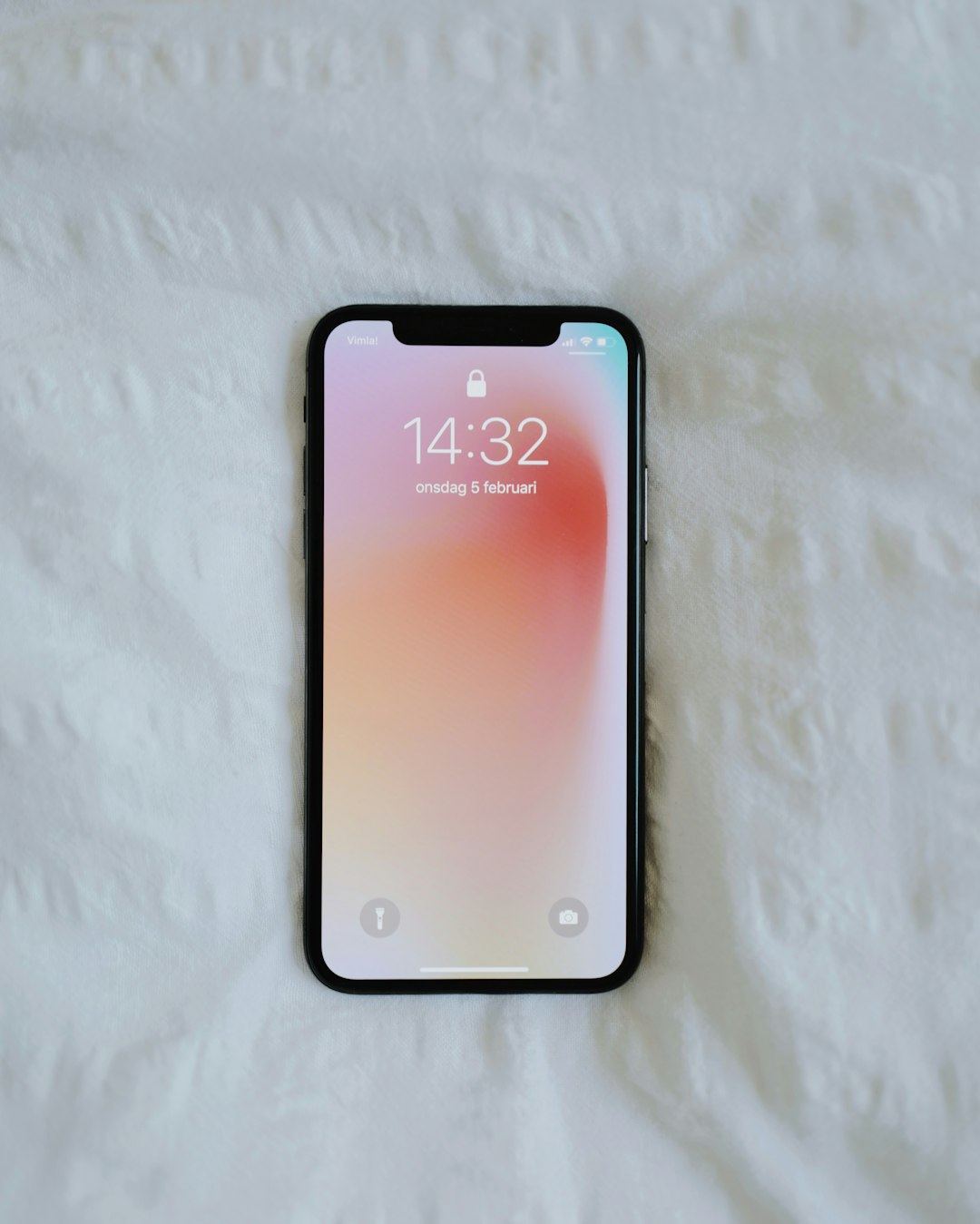
Caller ID, a feature now standard on most phones, identifies incoming calls by retrieving and displaying the phone number and, in some cases, the name associated with that number. This process involves several steps. Firstly, when a caller initiates a call, their phone sends a signal to the recipient’s device containing their phone number. This data is then routed through various telephone network switches until it reaches the recipient’s Caller ID system.
The recipient’s device cross-references this incoming number with its own database, often maintained by telecommunications carriers or third-party services. This database links phone numbers to names and other identifying information. If a match is found, the caller’s details are displayed on the recipient’s screen. However, despite these measures, spam calls continue to be a problem, prompting many Iowans to seek assistance from spam call lawyers to combat this nuisance.
Limitations of Caller ID Against Spam

Despite its intent to protect users, Caller ID has significant limitations when it comes to stopping spam calls. While traditional spam filters can block known malicious numbers, spammers often use techniques like spoofing and dynamic number changes to bypass these measures. Spoofing involves altering the caller ID information to display a fake number or even a local one, making it difficult for recipients to identify unwanted calls. Additionally, spammers employ automated systems that rapidly change their phone numbers, constantly evading traditional blocking methods.
In light of these tactics, individuals facing incessant spam calls from spam call lawyers Iowa may find limited relief through standard Caller ID protections. As a result, many turn to specialized services or legal assistance to combat this growing issue. Experts in this field advocate for enhanced caller identification technologies and stricter regulations to counter the evolving strategies employed by spammers.
Protecting Yourself from Spam Calls in Iowa
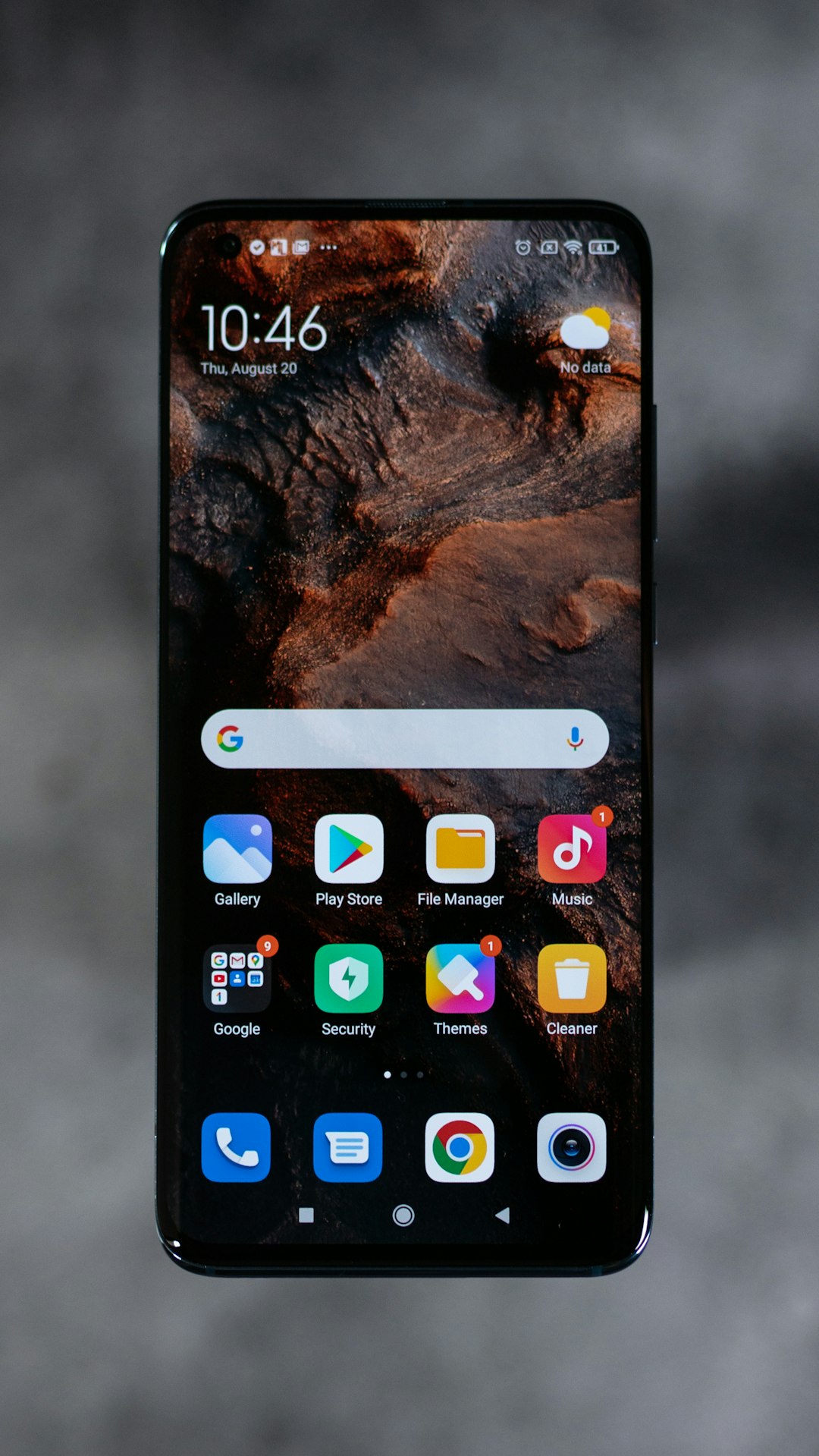
In today’s digital era, the rise of spam calls has become a significant concern for individuals across the nation, including Iowa. While traditional methods like Caller ID provide some level of protection by displaying the caller’s number, it often falls short against sophisticated spammers who employ techniques to mask or spoof their identities. To protect yourself from these unwanted intrusions, consider consulting with Spam Call Lawyers in Iowa. These legal experts specialize in navigating the complex landscape of telecommunications law and can offer strategic guidance on how to deal with spam calls effectively.
In Iowa, various laws are in place to mitigate the impact of spam calls, such as the Telephone Consumer Protection Act (TCPA). However, keeping up with evolving tactics used by spammers requires a proactive approach. Spam Call Lawyers in Iowa stay abreast of the latest legal developments and technological advancements, ensuring their clients receive the best possible defense against these irritant calls. They can assist individuals in understanding their rights, exploring legal remedies, and implementing measures to block or trace spam callers, thereby fostering a safer digital environment for all Iowans.